How Sweat Transformed My Hair Health — A Trainer’s Honest Breakthrough
You probably don’t think of cardio as a hair treatment — I didn’t either. But after months of stagnant hair growth and increased shedding, I dug into the science and discovered a surprising link: regular exercise boosts scalp circulation, reduces stress hormones, and supports follicle health. As a fitness professional, I started viewing workouts as more than muscle-building — they became part of my haircare routine. This is how movement quietly revived my strands. What began as a personal frustration with thinning edges and lackluster texture turned into a professional revelation. Hair health, it turns out, is not just about serums or supplements. It’s deeply connected to how we move, breathe, and manage daily stress. The body operates as a system — and when one part thrives, others follow.
The Hidden Connection Between Movement and Hair
Most conversations about hair health center on shampoos, conditioners, or internal supplements like biotin and collagen. While these can play a supportive role, they often overlook a fundamental biological truth: hair follicles are living tissues that require oxygen, nutrients, and consistent blood flow to function optimally. Without adequate circulation, even the most expensive topical treatments may fall short. This is where physical activity enters the picture. Movement — especially rhythmic, sustained forms like walking, cycling, or dancing — acts as a natural pump for the circulatory system. With each step or pedal stroke, blood is propelled through the body, reaching even the most peripheral areas, including the scalp.
When blood flow increases, so does the delivery of essential nutrients such as iron, zinc, and amino acids — all of which are critical for keratin production, the protein that makes up hair strands. At the same time, improved circulation helps remove metabolic waste products that can accumulate around follicles and impair their function. A sedentary lifestyle, on the other hand, can contribute to sluggish circulation, which may manifest in visible signs like slow growth, increased shedding, or lack of shine. Many of my clients who lead desk-bound lives report these exact symptoms, often attributing them to aging or genetics — but the reality is more dynamic.
Over the years, I’ve observed a consistent pattern: clients who incorporate regular physical activity into their routines tend to have stronger, more resilient hair. They may not be using specialized hair products, but their strands show better texture and less breakage. This isn’t a coincidence. It’s physiology in action. One client, a 42-year-old mother of two, began walking 30 minutes a day after months of postpartum hair loss. Within three months, she noticed new growth along her hairline and a significant reduction in daily shedding. She didn’t change her diet or haircare — only her movement habits. This kind of real-world evidence, while not a clinical trial, points to a powerful, often underestimated factor in hair vitality: consistent, moderate exercise.
Why Scalp Circulation Matters More Than You Think
Think of the scalp as the soil in which hair grows. Just as plants need water, sunlight, and nutrients to thrive, hair follicles depend on a well-nourished environment to produce strong, healthy strands. The bloodstream is the primary delivery system for that nourishment. When circulation to the scalp is compromised — due to poor posture, stress, or inactivity — the follicles receive less oxygen and fewer nutrients, which can slow down the hair growth cycle. In some cases, it may even trigger premature shedding. This is why improving microcirculation is not just beneficial — it’s foundational.
Scientific studies, including those published in dermatology journals, have shown that increased blood flow to the scalp correlates with improved hair density and growth rates. While much of this research focuses on medical interventions like low-level laser therapy or topical minoxidil, the same principle applies to natural methods like exercise. Physical activity stimulates the heart to pump more efficiently, increasing capillary dilation throughout the body. This includes the tiny blood vessels in the scalp, which can become constricted during periods of stress or prolonged sitting. Over time, enhanced microcirculation supports not only the survival of existing follicles but also the activation of dormant ones.
Not all forms of movement are equally effective in this regard. Cardiovascular exercise — such as brisk walking, jogging, or cycling — has been shown to have a particularly strong impact on circulation. These activities elevate the heart rate in a sustained way, creating a continuous flow of blood to all regions of the body, including the head. Resistance training also plays a role, especially when it involves compound movements that engage large muscle groups. Additionally, certain exercises that involve inversion or forward bending — like yoga poses such as downward dog or seated forward folds — can temporarily increase blood flow to the scalp due to gravitational shifts. While the effect is short-lived, repeated exposure over time may contribute to better follicle health.
Personally, I began to notice a subtle but consistent change: after a solid cardio session, my scalp would feel warm, almost tingly. At first, I dismissed it as a normal post-exercise sensation. But over weeks of tracking, I realized this warmth often preceded visible signs of new growth. I started paying closer attention to the timing and frequency of my workouts, aligning them with my hair growth cycles. What emerged was a clear correlation — the days I exercised regularly, my scalp felt more alive, and over months, my hair became noticeably thicker. This wasn’t a dramatic transformation overnight, but a quiet, steady revival that I now attribute largely to improved circulation.
Stress, Hormones, and Hair Shedding: What Exercise Actually Fixes
One of the most underdiscussed contributors to hair loss is stress — not just emotional strain, but the physiological response it triggers in the body. When we experience stress, whether from work, family responsibilities, or sleep deprivation, the adrenal glands release cortisol, often referred to as the “stress hormone.” In balanced amounts, cortisol helps regulate metabolism and immune function. But when levels remain elevated for prolonged periods, it can disrupt multiple systems, including the hair growth cycle. High cortisol has been linked to telogen effluvium, a condition where a significant number of hair follicles enter the resting phase prematurely, leading to excessive shedding.
This was exactly what I experienced during a particularly demanding quarter at work. Despite eating well and using quality hair products, I noticed clumps of hair in my brush each morning. My scalp felt tight, and new growth seemed to stall. It wasn’t until I connected the dots between my workload, poor sleep, and increased stress that I realized cortisol might be the hidden culprit. That’s when I doubled down on my fitness routine — not for weight management or muscle gain, but as a deliberate strategy to regulate my stress response. Exercise is one of the most effective, scientifically supported ways to lower cortisol levels. Physical activity signals the body to release endorphins, natural mood elevators that counteract stress and promote relaxation.
The difference between acute and chronic stress is crucial here. Acute stress — like a sudden deadline or a minor argument — causes a temporary spike in cortisol, which the body can manage. But chronic stress, the kind that lingers day after day, keeps cortisol elevated and can lead to systemic imbalances. Regular exercise helps reset this system by improving the body’s ability to return to homeostasis after stress. It also enhances sleep quality, which further supports hormonal balance. Over time, as my workouts became more consistent, I noticed a shift not only in my mood but in my hair. Around the six- to eight-week mark, shedding decreased significantly. My scalp felt less tense, and fine baby hairs began to appear along my part line.
This pattern has been echoed by many women I’ve worked with, especially those in high-pressure careers or caregiving roles. One client, a nurse working 12-hour shifts, started a simple evening walking routine to decompress. After two months, she reported not only better sleep but a visible reduction in hair fall. She hadn’t changed her diet or added supplements — only prioritized movement as a form of self-regulation. This reinforces a key insight: exercise isn’t just about physical fitness. It’s a powerful tool for hormonal harmony, and that balance directly impacts hair health.
Sweat: Enemy or Ally to Your Scalp?
There’s a common misconception that sweat is harmful to hair — that it clogs pores, causes breakage, or leads to scalp acne. As a result, many women avoid exercising vigorously or delay washing their hair afterward, fearing damage. But the truth is more nuanced. Sweat itself is not the enemy; it’s a natural bodily function designed to regulate temperature and support detoxification. Composed mostly of water, salt, and trace minerals, sweat does not inherently damage hair. What matters is hygiene — how quickly you cleanse the scalp after sweating and what products you use.
In fact, sweating can be beneficial for the scalp. When you exercise and perspire, the sweat helps flush out buildup from hair follicles, including excess sebum, dead skin cells, and environmental pollutants. This natural cleansing effect can create a cleaner environment for hair growth. The key is not to let sweat sit on the scalp for extended periods, especially if you’re prone to irritation or sensitivity. Prolonged moisture can create a breeding ground for bacteria or yeast, potentially leading to scalp discomfort or dandruff-like symptoms. But with proper care, this risk is easily managed.
My approach shifted once I understood this. Instead of avoiding sweat, I began to see it as part of my hair health routine. I started timing my workouts earlier in the day so I could wash my hair afterward with a gentle, sulfate-free cleanser. I avoided heavy oils or creams before exercise, which could mix with sweat and clog pores. On days when I couldn’t shampoo immediately, I used a scalp mist or dry shampoo to absorb excess moisture. I also paid attention to my scalp’s sensitivity — some days it felt more reactive, so I adjusted my workout intensity accordingly. Over time, I noticed fewer instances of itchiness or flakiness, and my scalp felt healthier overall.
The lesson here is not to fear sweat, but to respect it. It’s a sign that your body is functioning — cooling itself, releasing tension, and supporting internal balance. When paired with good hygiene, sweat can be a silent ally in maintaining a clean, active scalp environment. The goal isn’t to eliminate it, but to work with it, allowing the natural rhythms of movement and cleansing to support hair vitality from the root up.
Putting It Into Practice: My 3-Step Movement Strategy for Hair Support
After months of experimentation and observation, I developed a simple, sustainable routine that supports both fitness and hair health. It’s not extreme or time-consuming — in fact, its strength lies in its consistency and accessibility. This three-step strategy is designed to enhance circulation, manage stress, and promote scalp wellness without requiring a gym membership or hours of daily commitment. It’s practical for busy women who want real results without overwhelm.
Step one is daily cardiovascular movement — just 20 minutes of brisk walking, cycling, or dancing. The goal is to elevate the heart rate enough to stimulate blood flow without overexertion. I do this most mornings, either outside or on a stationary bike while listening to a podcast. The rhythm of movement helps clear my mind and primes my body for the day. I’ve found that even on days when I don’t feel like exercising, just starting with five minutes often leads to completing the full session. Over time, this daily habit has become non-negotiable — not for weight control, but for how it makes my scalp feel and my hair respond.
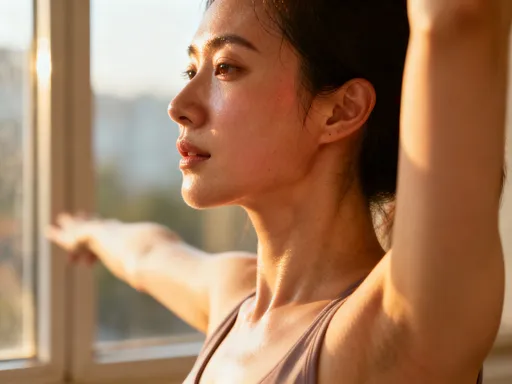
Step two involves strength training three times a week, with an intentional focus on incorporating head-down positions. These don’t have to be full inversions — simple forward bends, seated stretches, or yoga poses like child’s pose work well. The slight shift in blood flow to the scalp during these movements complements the cardiovascular work. I pair these with resistance exercises like squats, lunges, and dumbbell rows to build overall strength while supporting circulation. The combination keeps my body strong and my hair follicles nourished.
Step three is a weekly scalp massage, ideally done within an hour after a workout when circulation is already heightened. I use a few drops of lightweight oil — like jojoba or grapeseed — and massage in circular motions for 5 to 10 minutes. This not only feels deeply relaxing but may also enhance nutrient retention by stimulating the follicles directly. I track my progress through simple methods: taking monthly photos, counting shed hairs on high-loss days, and noting feedback from my hairstylist during trims. The changes have been gradual but undeniable — increased density, reduced shedding, and improved texture. This routine isn’t a miracle cure, but a consistent, science-aligned practice that honors the body’s interconnected systems.
What Science Says — And What It Doesn’t Promise
It’s important to be clear: exercise alone will not reverse genetic hair loss or cure medical conditions like alopecia. Dermatologists consistently emphasize that hair health is multifactorial, influenced by genetics, hormones, nutrition, and overall lifestyle. Physical activity is one supportive piece of a larger puzzle. However, research does confirm that regular exercise improves circulation, reduces inflammation, and regulates stress hormones — all of which create a more favorable environment for hair growth. Studies on lifestyle interventions show that women who engage in consistent physical activity report better skin, nail, and hair quality compared to sedentary counterparts.
That said, movement works best when paired with other foundational habits. Sleep, for example, is when the body repairs tissues and balances hormones — including those that affect hair. Hydration ensures that cells, including follicles, function efficiently. And a balanced diet rich in protein, iron, and essential fatty acids provides the raw materials for strong hair. Exercise amplifies these benefits but cannot replace them. If someone is exercising regularly but sleeping poorly or eating a nutrient-deficient diet, the impact on hair may be limited.
There are also times when professional intervention is necessary. If hair loss is sudden, patchy, or accompanied by other symptoms like fatigue or thyroid issues, it’s important to consult a healthcare provider. Conditions like hormonal imbalances, autoimmune disorders, or nutritional deficiencies require medical evaluation and targeted treatment. Exercise can support recovery, but it’s not a substitute for diagnosis or therapy. The goal is not to oversimplify hair health, but to recognize that daily habits — including movement — play a meaningful role in prevention and maintenance.
Beyond the Gym: Building a Sustainable Routine That Loves Your Hair
The most powerful shift I experienced wasn’t just in my hair — it was in my mindset. I stopped viewing exercise as a chore or a means to burn calories. Instead, I began to see it as an act of care, a daily promise to support my body in tangible ways. This change in perspective made consistency easier. I no longer needed motivation; I had purpose. Every walk, every stretch, every drop of sweat became part of a larger commitment to well-being — one that included my hair as a visible indicator of internal health.
Consistency, not intensity, is what truly matters. You don’t need to run marathons or lift heavy weights to see benefits. Small, regular efforts — a 15-minute walk, a few minutes of stretching, a weekly massage — compound over time. The body responds to rhythm, not extremes. I designed my weekly plan to be balanced: three strength sessions, five cardio days, and daily mobility work. I built in rest days to allow for recovery, knowing that overtraining can increase stress and counteract the very benefits I was seeking.
This holistic approach has had ripple effects beyond hair. My energy levels are more stable, my sleep has improved, and I feel more resilient in the face of daily challenges. My skin looks clearer, my nails are stronger — all quietly benefiting from the same lifestyle choices. Hair, in many ways, is the canary in the coal mine — the first to show signs of imbalance and often the first to respond when we make positive changes.
In closing, I invite you to consider exercise not just as a fitness tool, but as part of a broader wellness ecosystem. It’s not about perfection or drastic change. It’s about showing up for yourself in small, meaningful ways. Movement didn’t just transform my hair — it transformed how I see self-care. And in that shift, I found not only stronger strands, but a deeper sense of strength within.