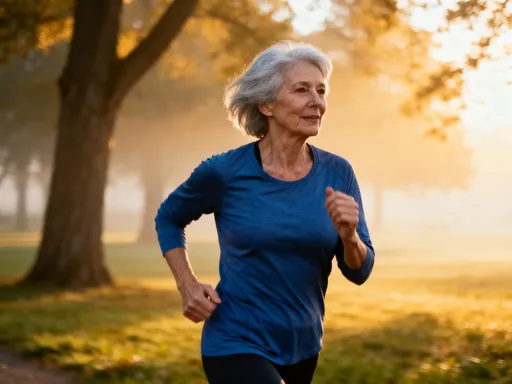
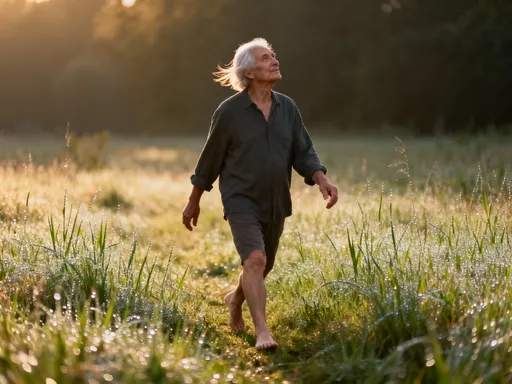
Time Flies, But Your Energy Doesn’t Have To
Have you ever looked in the mirror and wondered where the years went? Aging is inevitable, but how we age is largely within our control. Modern science shows that true health isn’t just about looks—it’s about function, energy, and resilience. This guide breaks down the real standards of healthy aging, from cellular vitality to daily habits, and offers practical, science-backed steps you can start today. No hype, no magic pills—just real, sustainable ways to feel younger from the inside out.
Redefining Aging: From Wrinkles to Well-Being
Aging has long been associated with visible changes—graying hair, fine lines, and a slower pace. Yet these outward signs tell only part of the story. What truly matters is how well the body functions beneath the surface. Experts now emphasize that the quality of aging should be measured not by appearance, but by vitality: the ability to move freely, think clearly, recover quickly, and maintain energy throughout the day. This shift in perspective moves the focus from cosmetic fixes to functional health, where well-being becomes the ultimate goal.
Key health standards for aging well include metabolic balance, cognitive clarity, physical mobility, and immune resilience. Metabolic balance ensures blood sugar, cholesterol, and hormone levels remain stable, reducing the risk of chronic conditions. Cognitive clarity refers to sharp memory, focus, and mental processing speed, which are essential for daily independence. Physical mobility involves strength, balance, and joint flexibility, allowing individuals to perform everyday tasks without pain or limitation. Immune resilience means the body can respond effectively to infections and recover efficiently from illness—all critical components of long-term health.
One of the most empowering concepts in modern longevity science is the distinction between chronological age and biological age. Chronological age is simply the number of years lived, while biological age reflects the functional state of cells, organs, and systems. Two people of the same age can have vastly different biological ages based on lifestyle choices. Factors such as diet, physical activity, sleep quality, and stress management influence how quickly or slowly the body ages at a cellular level. Tools like blood biomarkers, fitness assessments, and even at-home tests can help estimate biological age, offering a clearer picture of overall health trajectory.
Understanding this difference empowers individuals to take proactive steps. Rather than accepting fatigue, stiffness, or brain fog as inevitable, they can view them as signals—early warnings that lifestyle adjustments may be needed. The goal is not to stop time, but to align daily habits with the body’s natural capacity for renewal and repair. By prioritizing function over form, aging transforms from a process of decline into one of continued growth and vitality.
The Hidden Signs Your Body Is Aging Faster
Many women in their 30s, 40s, and beyond begin to notice subtle changes that don’t show up on the scale or in the mirror. Persistent fatigue, even after a full night’s sleep, is one of the earliest red flags. If you find yourself needing caffeine to get through the afternoon or feeling drained after simple tasks, it may indicate that your cells are not producing energy efficiently. Similarly, slower recovery after physical activity—such as lingering soreness or stiffness—can signal declining muscle repair mechanisms and increased inflammation.
Brain fog, characterized by forgetfulness, difficulty concentrating, or trouble finding words, is another common yet often overlooked sign. While some variation in mental sharpness is normal, frequent lapses should not be dismissed as just part of getting older. These symptoms may reflect underlying imbalances, including nutrient deficiencies, hormonal shifts, or disruptions in sleep and stress regulation. Joint stiffness, especially in the morning or after sitting for long periods, points to reduced cartilage health and increased oxidative stress—both contributors to accelerated aging.
These signs are not isolated issues; they are interconnected clues pointing to deeper physiological processes. Chronic low-grade inflammation, for example, plays a central role in many age-related conditions. It can damage tissues over time, impair immune function, and contribute to insulin resistance. Oxidative stress—caused by an imbalance between free radicals and antioxidants—also accelerates cellular aging by harming DNA and mitochondria, the energy powerhouses of cells. Hormonal changes, particularly in estrogen, progesterone, and cortisol, further influence energy levels, mood, and metabolic function.
The crucial point is that these symptoms are not “normal” parts of aging that must be accepted. Instead, they serve as valuable feedback from the body, indicating where support is needed. Addressing them early through lifestyle modifications can slow or even reverse biological aging. Recognizing these hidden signals allows for timely intervention, helping women maintain strength, clarity, and resilience well into midlife and beyond. The body is constantly communicating; learning to listen is the first step toward lasting vitality.
Fueling Longevity: The Role of Nutrition in Cellular Health
Nutrition is one of the most powerful tools for influencing how we age. Every bite of food either supports cellular repair or contributes to wear and tear. A diet rich in whole, unprocessed foods provides the essential nutrients needed to maintain DNA integrity, support mitochondrial function, and promote gut health—all of which are foundational to longevity. Rather than focusing on restrictive diets or short-term fixes, the goal is to adopt sustainable eating patterns that nourish the body at a deep level.
Anti-aging nutrition emphasizes whole foods such as vegetables, fruits, legumes, whole grains, nuts, seeds, and high-quality proteins. These foods are naturally rich in antioxidants, fiber, and phytonutrients that combat oxidative stress and reduce inflammation. Healthy fats—like those found in avocados, olive oil, fatty fish, and nuts—play a critical role in brain health, hormone production, and cellular membrane integrity. Plant diversity is especially important; consuming a wide variety of colorful produce ensures exposure to a broad spectrum of protective compounds. Research suggests that eating 30 or more different plant-based foods per week can significantly enhance gut microbiome diversity, which in turn supports immune function and metabolic health.
Protein intake is another key factor, particularly as we age. After age 40, the body becomes less efficient at using dietary protein to build and maintain muscle—a process known as anabolic resistance. To counteract this, spreading protein intake evenly across meals (about 25–30 grams per meal) helps optimize muscle protein synthesis. Good sources include lean meats, poultry, fish, eggs, dairy, beans, lentils, and tofu. Timing also matters: consuming protein within two hours after physical activity can enhance recovery and muscle repair.
Equally important is what to minimize. Ultra-processed foods—high in added sugars, refined grains, unhealthy fats, and artificial ingredients—promote inflammation and disrupt metabolic balance. Excess sugar, in particular, contributes to glycation, a process where sugar molecules attach to proteins and impair their function, leading to stiffer tissues and accelerated aging. Beverages like sugary sodas and sweetened coffee drinks are major sources of hidden sugar and should be limited. Instead, hydration with water, herbal teas, or sparkling water with lemon supports detoxification and cellular function.
The best approach is not perfection, but consistency. Small, daily choices—such as adding an extra serving of vegetables, choosing whole grains over refined ones, or swapping a processed snack for nuts and fruit—add up over time. Nutrition is not about deprivation; it’s about giving the body the building blocks it needs to stay strong, energized, and resilient for years to come.
Move to Stay Young: Why Activity Is Non-Negotiable
Physical activity is one of the most effective anti-aging strategies available—and it doesn’t require intense workouts or expensive equipment. The foundation of functional aging rests on three pillars: strength, cardiovascular fitness, and flexibility. Each plays a unique role in preserving health and independence. Strength training maintains muscle mass, which naturally declines with age. Cardiovascular exercise supports heart and lung function, while flexibility and balance practices protect against falls and improve mobility. Together, they form a comprehensive approach to staying strong, agile, and energized.
Muscle is often referred to as “metabolic currency” because it burns more calories at rest than fat and helps regulate blood sugar. After age 30, adults lose about 3–5% of muscle mass per decade, accelerating after 50. This loss, known as sarcopenia, contributes to weakness, fatigue, and increased fall risk. Strength training—even just two sessions per week—can significantly slow or reverse this decline. Bodyweight exercises like squats, lunges, and push-ups, or resistance bands and light dumbbells, are effective and accessible options. The key is progressive overload: gradually increasing resistance or repetitions over time to challenge the muscles.
Cardiovascular activity improves circulation, enhances oxygen delivery to tissues, and supports brain health. Brisk walking, cycling, swimming, or dancing for 150 minutes per week—at a moderate intensity where you can talk but not sing—is recommended for heart health and longevity. This level of activity helps maintain insulin sensitivity, reducing the risk of type 2 diabetes and supporting stable energy levels. For those with joint concerns, low-impact options like swimming or elliptical training provide cardiovascular benefits without strain.
Flexibility and balance are often overlooked but equally vital. Stretching routines, yoga, or tai chi improve joint range of motion, reduce stiffness, and enhance posture. These practices also support nervous system regulation, promoting relaxation and mental clarity. Balance exercises—such as standing on one foot, heel-to-toe walking, or using a balance pad—help prevent falls, a leading cause of injury in older adults. Incorporating just 10–15 minutes of stretching or mindful movement daily can make a meaningful difference.
The most important factor is consistency, not intensity. Finding enjoyable activities increases the likelihood of long-term adherence. Whether it’s walking with a friend, gardening, or taking a dance class, movement should feel sustainable and rewarding. The goal is not to train like an athlete, but to move the body regularly in ways that preserve function, boost energy, and support overall well-being. Over time, regular physical activity becomes one of the greatest investments in lifelong vitality.
Sleep and Stress: The Silent Drivers of Aging
Sleep and stress are two of the most underestimated factors in healthy aging. While diet and exercise often take center stage, poor sleep and chronic stress silently accelerate biological aging at the cellular level. During deep sleep, the body undergoes essential repair processes: tissues regenerate, hormones rebalance, and the brain clears metabolic waste. Without sufficient quality sleep, these functions are disrupted, leading to increased inflammation, impaired cognitive performance, and reduced resilience.
Adults need an average of 7–9 hours of sleep per night, yet many women report difficulty falling asleep, staying asleep, or waking unrefreshed. Disruptions in circadian rhythm—the body’s internal clock—can stem from irregular schedules, excessive screen time, or stress. Blue light from phones and tablets suppresses melatonin, the hormone that signals sleep onset, making it harder to wind down. Establishing a consistent bedtime routine, reducing screen exposure one hour before bed, and creating a cool, dark sleep environment can significantly improve sleep quality.
Chronic stress activates the hypothalamic-pituitary-adrenal (HPA) axis, leading to elevated cortisol levels. While cortisol is necessary for alertness and energy, prolonged elevation damages cells, weakens the immune system, and promotes fat storage, particularly around the abdomen. It also interferes with sleep, digestion, and mood regulation. The body was designed to handle short-term stress, not constant activation. Without periods of recovery, the wear and tear accumulate, accelerating aging.
Effective stress management doesn’t require drastic changes. Simple, daily habits can make a profound difference. Mindful breathing, even for just five minutes, activates the parasympathetic nervous system, promoting relaxation. Other techniques include journaling, spending time in nature, practicing gratitude, or engaging in creative activities. Setting boundaries around work, digital devices, and social commitments also helps preserve mental energy. Prioritizing rest is not a luxury—it is a biological necessity for long-term health.
Together, quality sleep and stress resilience form a powerful foundation for cellular repair and emotional stability. When the body gets the rest it needs and stress is managed effectively, energy levels improve, mood stabilizes, and the body’s natural healing processes can function optimally. These quiet, behind-the-scenes habits are not glamorous, but they are essential for sustaining vitality across the years.
The Mind-Body Connection: Mental Fitness as a Health Standard
Cognitive health is a cornerstone of successful aging. Just as physical activity preserves muscle and mobility, mental engagement protects brain function and emotional well-being. The brain, like any other organ, responds to use and stimulation. A mentally active lifestyle—filled with learning, problem-solving, and social connection—builds cognitive reserve, which helps the brain adapt and compensate as it ages. This reserve is linked to a lower risk of memory decline and improved resilience against neurodegenerative conditions.
Lifestyle factors play a major role in maintaining mental fitness. Engaging in lifelong learning—such as reading, taking courses, learning a new language, or playing a musical instrument—stimulates neural pathways and enhances neuroplasticity, the brain’s ability to reorganize and form new connections. Social interaction is equally important. Meaningful conversations, shared experiences, and emotional support from friends and family reduce feelings of isolation and contribute to emotional balance. Studies show that strong social ties are associated with better cognitive outcomes and longer life expectancy.
Mindfulness practices, including meditation, deep breathing, and body scans, help regulate emotions and reduce mental clutter. These techniques train attention, improve self-awareness, and decrease the impact of stress on the brain. Even a few minutes a day can enhance focus, emotional regulation, and overall mental clarity. Journaling thoughts and feelings also provides a valuable outlet for processing experiences and gaining perspective.
Emotional resilience—the ability to adapt to challenges and maintain a sense of well-being—is another key aspect of mental fitness. It is built through self-compassion, realistic goal-setting, and maintaining a sense of purpose. Women who engage in activities that feel meaningful—whether volunteering, mentoring, creative projects, or caring for loved ones—often report higher life satisfaction and sustained motivation. Mental fitness is not about avoiding stress or negative emotions, but about developing the tools to navigate them with strength and grace.
By treating the mind with the same care as the body, women can preserve their cognitive edge and emotional health for decades. Mental fitness is not passive; it requires intention and practice. But the rewards—a sharp mind, a calm spirit, and a deep sense of connection—are well worth the effort.
Building Your Personal Anti-Aging Blueprint
Creating a sustainable path to healthy aging begins with self-awareness. Each woman’s journey is unique, shaped by genetics, lifestyle, and personal preferences. The first step is assessment: taking stock of current habits and identifying areas for improvement. Simple self-checks can provide valuable insights. For example, can you rise from a chair without using your hands? Do you remember names and appointments easily? Do you wake up feeling rested? These everyday markers offer clues about physical strength, cognitive function, and sleep quality.
Once baseline awareness is established, the focus shifts to small, manageable changes. Rather than overhauling an entire lifestyle at once, it is more effective to start with one or two habits. For instance, adding a daily walk, increasing vegetable intake, or setting a consistent bedtime can create momentum. Tracking progress—through a journal, app, or calendar—helps reinforce commitment and celebrate successes. Over time, these small choices compound into lasting transformation.
Tailoring strategies to individual needs increases the likelihood of success. A woman with joint pain might prioritize low-impact movement and anti-inflammatory foods. Someone struggling with stress may benefit most from mindfulness practices and boundary-setting. The goal is not perfection, but progress. Even imperfect consistency yields results when maintained over time.
Support systems also play a crucial role. Sharing goals with a trusted friend, joining a wellness group, or working with a health coach can provide accountability and encouragement. Community fosters motivation and makes the journey more enjoyable. Additionally, regular check-ins with a healthcare provider ensure that health markers—such as blood pressure, cholesterol, and vitamin levels—are monitored and addressed as needed.
Ultimately, long-term vitality comes from informed, consistent choices. It is not about chasing youth, but about living each year with energy, purpose, and well-being. By aligning daily habits with science-backed principles, every woman has the power to influence how she ages—building a future defined not by limitations, but by possibility.
True anti-aging isn’t about turning back time—it’s about optimizing how you live within it. By aligning with science-backed health standards and making mindful daily choices, lasting vitality is not only possible but achievable for everyone.