Tracked Every Package While Saving 200+ Family Moments: The App Habit That Changed How I Wait
Waiting for a delivery used to mean mindless scrolling or impatient checking. But what if that downtime could become meaningful? I started using order tracking apps not just to watch progress bars—but to capture little memories along the way. Now, every delivery wait feels lighter, richer, and more connected. It began by accident, really. One rainy Tuesday, while waiting for a box of books to arrive, I noticed my daughter trying to tie her shoes on the porch. I snapped a photo. Then I saved it with the tracking number. That tiny act sparked something bigger. Over time, I realized I wasn’t just tracking packages—I was tracking life. And in those small pauses between ‘shipped’ and ‘delivered,’ I found over 200 moments I might have otherwise missed.
The Hidden Cost of Waiting: How Delivery Delays Steal More Than Time
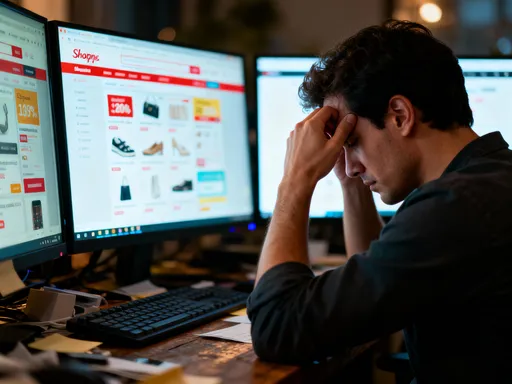
Let’s be honest—most of us don’t love waiting. We check our phones every few minutes, refresh the tracking page, wonder why the delivery van seems stuck in one neighborhood for hours. I used to feel that tension too. The anticipation would build, then fade into frustration. I’d stand at the window, laundry half-folded, thinking, Where is it? And in that space of waiting, I wasn’t present. I wasn’t really seeing my kids building forts out of cardboard boxes or hearing my son sing off-key in the kitchen. My mind was somewhere else—glued to a pixelated dot on a map.
What I didn’t realize then was that this kind of waiting wasn’t just stealing time. It was stealing peace. Each check-in created a tiny spike of stress. A little voice in my head would whisper, Something’s wrong. It should’ve been here by now. That anxiety, multiplied across dozens of deliveries a year, started to wear me down. I felt like I was always waiting for something—packages, responses, solutions—and never quite arriving. The irony? In trying to stay on top of things, I was missing the things that mattered most.
And I know I’m not alone. So many of us live in this cycle of digital limbo. We’re told we’re saving time with fast shipping and instant updates, but emotionally, we’re losing ground. The constant vigilance over tracking statuses turns what should be a minor convenience into a source of low-grade stress. The real cost isn’t measured in minutes—it’s measured in missed moments. The way your daughter smiles when she finally zips her jacket by herself. The way your partner laughs when the dog tries to steal a sock from the laundry basket. These aren’t grand events. They’re quiet, fleeting, and incredibly precious. And they happen in the in-between times—the very times we spend staring at screens, waiting.
From Anxiety to Anticipation: Reframing the Tracking Screen as a Pause Button
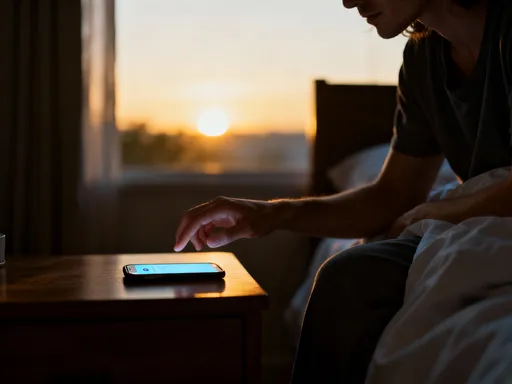
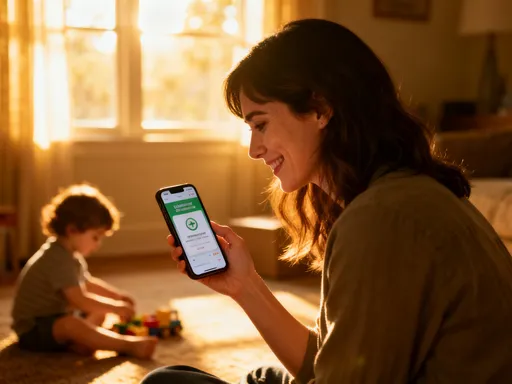
The shift didn’t come from a big revelation. It came from one small decision: What if, instead of checking the app to relieve stress, I used it to create a moment of calm? I started treating each delivery notification not as a demand for attention, but as an invitation to pause. When my phone buzzed with “Out for delivery,” I’d take a breath. Look around. Ask myself: What’s happening right now? That simple question changed everything.
One morning, the alert came through while my son was eating pancakes, syrup on his nose. I didn’t rush to the door. I grabbed my phone and took a picture. Not of the tracking screen—but of him. I saved it in a folder labeled “Deliveries & Moments.” The package wasn’t here yet, but something had already arrived: a memory. Another time, a “delayed” notice popped up. Old me would’ve groaned. New me thought, Okay, extra time. What’s happening in this moment? I opened my notes app and wrote two sentences: The sun is streaming through the kitchen window. My mom just called to say she’s proud of me. It took less than a minute. But that note? I still read it sometimes when I need a boost.
This wasn’t about being perfect. Some days, I still refreshed the tracker ten times. But on the days I remembered, the shift was powerful. The same screen that once made me anxious now became a trigger for presence. I wasn’t ignoring the delivery—I was using the wait to connect with what was already here. The app didn’t change. My intention did. And that made all the difference. Over time, these micro-pauses added up. I started to look forward to tracking updates, not because the package was coming, but because it meant I got to check in—with my family, with myself, with the day.
The Memory-Preserving Power of Micro-Moments
We save birthdays. We film school plays. We take vacation photos. But what about the rest? The ordinary Tuesdays. The quiet afternoons. The unremarkable moments that, when strung together, make up the fabric of our lives? Those are the ones we tend to lose. I used to think memories had to be big to matter. A birthday party, a holiday trip, a milestone. But the truth is, some of the most meaningful moments are the ones no one plans for.
Like the day the new winter coat arrived—the same day my daughter came home from school, her face glowing, and said, “Mom, I tied my shoes all by myself!” I had the tracking notification open. I took a photo of her laced-up boots next to the delivery confirmation. That image lives in my phone still. It’s not just about the coat. It’s about her pride, her growing independence, the way she beamed like she’d climbed a mountain. Or the book delivery that came the week my mom moved into her new apartment across the country. We had our first video call that evening. I saved a screenshot of the call, added it to the order folder, and wrote: She’s settling in. We laughed about the couch being too big for the living room. That delivery wasn’t just a box of books. It was a bookmark in our story.
By linking tracking updates to memory capture, I’ve saved over 200 of these micro-moments in less than two years. No professional camera. No journaling habit I had to force. Just small, intentional actions in the space between “shipped” and “delivered.” And what I’ve built isn’t a curated highlight reel—it’s a real, messy, beautiful timeline of our life. The dog chewing a shoe. My son’s science project made of cardboard and glue. The way my partner makes coffee with one hand while holding the phone with the other. These aren’t Instagram-worthy. But they’re ours. And they matter.
How I Built the Habit: Pairing Delivery Alerts with Memory Triggers
You might be thinking, That sounds nice, but I don’t have time to journal every time a package is on its way. Neither did I. That’s why I kept it simple. The rule was: one alert, one action. No more, no less. It had to fit into the real world—the world of spilled milk, school pickups, and never-ending to-do lists.
Here’s how I did it. First, I picked one tracking app I already used—no extra downloads, no new accounts. Most carriers have decent apps, and I stuck with the ones I got notifications from anyway. Then, I decided on three memory actions I could do in under ten seconds: take a photo, record a voice note, or write one sentence. That’s it. When a “shipment update” came through, I’d do one of those things. Didn’t matter which. The key was consistency, not creativity.
For example, “Order confirmed” meant I’d take a photo of my morning coffee. “Out for delivery” triggered a 15-second voice memo: “It’s 3:17. The kids are arguing over Legos. The dog just barked at the mail carrier. I’m wearing my comfy sweater.” “Delivered” meant I’d write a line in my notes: “Package here. So is the joy of knowing I remembered to do this.” I didn’t do this for every single delivery at first. I started with one a week. Then two. Then it became automatic. The alert buzzed, my hand reached for the camera or the notes app—like muscle memory.
I also used my phone’s built-in features to make it easier. I created a photo album called “Life in Transit” and added a widget for quick access. I set up a shortcut in the Notes app so I could tap once and start typing. No friction. No extra steps. The easier I made it, the more likely I was to follow through. And because the cue—the delivery alert—was already part of my routine, the new habit latched on naturally. I wasn’t adding something to my day. I was repurposing something I was already doing.
The Unexpected Gift: A Family Timeline Built in the Background
Six months in, I decided to look back. I opened the “Life in Transit” album and started scrolling. And I cried. Not because anything sad happened—but because I could see our year. Not in a staged way, not in perfect lighting, but in real, unfiltered moments. There was the photo of my son’s muddy boots next to the box of rain boots that had just arrived. The voice note from the day we got the dog: “His name is Benny. He’s chewing the delivery box. We’re all in love.” The note from the night my daughter had a fever: “Ordered soup online. She’s asleep now. The blanket is warm. We’re okay.”
What I realized was this: I hadn’t just been tracking deliveries. I’d been tracking us. The timeline wasn’t chronological in the traditional sense, but it was deeply emotional. Each package became a marker—a dot on the map of our life. The new pajamas arrived the night before her first sleepover. The gardening kit came the weekend we planted sunflowers together. The book on parenting arrived during a tough week—and the note I saved said, “I’m trying. That’s enough.”
This archive wasn’t something I set out to create. It grew quietly, in the background, while I was busy living. And because it was tied to something routine—something I was already doing—it never felt like a burden. No pressure to be poetic. No guilt for missing a day. It was forgiving. Flexible. Human. And now, when I feel like life is moving too fast, I open the album. I listen to the voice notes. I read the scraps of sentences. And I remember: this is what mattered. Not the perfect photos, not the big events—but the in-between. The waiting. The ordinary. The love.
Why This Works: The Psychology of Habit Stacking and Emotional Anchors
If you’ve ever tried to start a new habit—drinking more water, meditating, journaling—you know how easy it is to fall off. The motivation fades. The routine feels like work. But here’s the thing: habits stick better when they’re attached to something you’re already doing. Behavioral scientists call this habit stacking. It’s why people brush their teeth after breakfast or put on sunscreen before leaving the house. The existing habit becomes the cue for the new one.
That’s exactly what’s happening here. The delivery notification is the cue. It’s reliable. It’s frequent. It’s already part of your digital life. By pairing it with a tiny memory action, you’re stacking a meaningful habit on top of an automatic one. You don’t need willpower. You don’t need a planner. You just need to notice the alert—and then notice what’s around you.
And here’s the secret sauce: emotional reward. Most habit advice focuses on discipline. But what really sustains change is feeling good. When you take that photo, record that voice note, or write that sentence, you’re not just checking a box. You’re creating a moment of connection. You’re saying, This matters. I was here. I saw you. That feeling—of presence, of love, of being grounded—is the real reward. It’s not about the app. It’s about what the app helps you notice. Over time, your brain starts to associate the delivery alert not with anxiety, but with warmth. Not with waiting, but with remembering. And that changes everything.
Start Small: How You Can Begin Today (No Tech Expertise Needed)
You don’t need a perfect system. You don’t need to be tech-savvy. You don’t even need to do this for every delivery. Just start with one. Pick the next package you’re expecting. Could be groceries, a gift, a new pair of slippers—anything.
When the first update comes through, pause. Just for ten seconds. Look around. What’s happening in your world right now? Is your child humming a song? Is the light coming through the window just right? Is your partner making tea in their favorite mug? Take a photo. Hit record. Write one line. Save it somewhere simple—a folder, an album, a note. That’s it. You’ve started.
Don’t worry about doing it right. Don’t worry about missing an update. This isn’t about perfection. It’s about presence. It’s about reclaiming the in-between times and filling them with meaning. Over time, these tiny acts will add up. You’ll have a collection of moments that no one else could recreate. And one day, when you’re feeling overwhelmed or nostalgic or just need a reminder of what life is really made of, you’ll open that folder—and you’ll find it. Not just packages. But proof that you were here. That you noticed. That you loved.
Technology doesn’t have to pull us away from life. Sometimes, it can help us lean into it. My tracking app didn’t just deliver boxes. It delivered moments. And in a world that moves too fast, that’s the most valuable delivery of all.