What If Your Neighbors Could Help You Build Better Habits—Without Saying a Word?
Imagine opening an app not just to borrow a ladder or find a lost cat, but to quietly become the best version of yourself. What if every small favor exchanged in your neighborhood—returning a package, watering a plant—nudged you toward healthier routines, stronger connections, and a more balanced life? It’s not magic. It’s technology quietly shaping habits through everyday kindness. You don’t need to track steps or set reminders for self-care. Instead, the life you’re already living—with neighbors, errands, and small gestures—becomes the foundation for real change. This isn’t about going viral or chasing goals. It’s about growing in ways that feel natural, supported, and deeply human.
The Hidden Power of Small Acts in Everyday Life
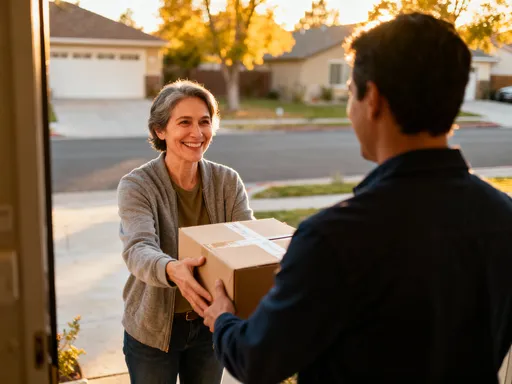
Think about the last time you waved to the woman walking her dog across the street or returned a misdelivered package to the house next door. It felt small, right? Just a moment in your day. But those tiny interactions do more than keep the neighborhood running—they shape how connected and grounded you feel. For women in their thirties, forties, and beyond, life can get overwhelming. Between managing homes, supporting families, and sometimes caring for aging parents, it’s easy to feel isolated, even when surrounded by people. That’s where the quiet strength of community begins—not in grand events, but in the rhythm of everyday gestures.
When you return a neighbor’s umbrella after a sudden rainstorm, you’re not just being kind. You’re reinforcing a sense of belonging. You’re saying, without words, I see you. We’re in this together. And over time, these moments build a kind of emotional scaffolding. They remind us we’re not alone. Now, imagine if technology could gently highlight these actions, not to turn them into tasks, but to help you notice their impact. That’s exactly what a new wave of neighborhood-based apps is doing. They don’t ask you to change your life overnight. Instead, they meet you where you already are—on your porch, at the mailbox, walking the dog—and begin to weave your small actions into something bigger.
These apps aren’t flashy. They don’t buzz with alerts or demand constant attention. They simply recognize the things you’re already doing and quietly reflect them back. Did you help someone carry groceries? That’s logged. Did you lend your lawnmower? Noted. Over time, these moments form a pattern—one that shows you’re not just surviving your day, but contributing to a network of care. And here’s the beautiful part: as you see your own impact, you start to show up a little more. Not because you have to, but because it feels good. It’s like looking in a mirror and realizing, Oh, I’m someone who helps. That self-perception is powerful. It’s the first step in building better habits—not through force, but through recognition.
From Favors to Routines: How Mutual Aid Apps Track Progress Subtly
We’ve all tried apps that promise to change our lives. Count our water, track our sleep, remind us to breathe. And while some of them help, many end up feeling like another chore. You have to remember to log in, tap buttons, scroll through stats. It’s effort. But what if self-improvement didn’t require extra work? What if it grew naturally from the things you were already doing? That’s the quiet genius of mutual aid apps. They don’t ask you to do more. They just pay attention to what you’re already contributing.
Let’s say you live in a quiet suburban neighborhood. Every Thursday, you pick up your neighbor’s mail while she’s at physical therapy. It’s a small thing—just a few seconds at the mailbox. But the app notices. It doesn’t send a trophy or a push notification that says “Congrats!” Instead, it quietly marks that action as part of your pattern. Over time, it begins to show you how often you’ve helped, how many neighbors you’ve connected with, how many times you’ve stepped up without being asked. This isn’t data for data’s sake. It’s a reflection of your character, unfolding in real time.
And here’s where the magic happens: when you see that you’ve helped five different people in a month, you start to think of yourself differently. You’re not just a busy mom or a stressed professional. You’re someone who shows up. That shift in identity is what makes habits stick. You don’t need a 30-day challenge or a rewards system. You just need to see that your actions matter. The app becomes a gentle witness to your kindness, reinforcing the behaviors that already live in you. It’s not about competition or performance. It’s about continuity. And because the tracking is passive—no logging, no manual input—it feels effortless. You’re not trying to improve. You’re simply being seen.
Building Habits Without Pressure: The Psychology Behind Gentle Nudges
Have you ever started a new habit only to quit because it felt like too much? Maybe you downloaded a meditation app, set a goal to do 10 minutes a day, and by day six, life got busy and you stopped. We’ve all been there. The problem isn’t that we lack willpower. It’s that most self-improvement tools rely on willpower. They ask us to fight against our routines, our moods, our fatigue. But real change doesn’t come from force. It comes from alignment—when new behaviors fit naturally into our lives and identities.
This is where mutual aid apps take a different path. Instead of pushing you to do more, they celebrate what you’re already doing. And that celebration isn’t loud or flashy. It’s quiet, like a friend who notices you’ve been kind and says, “I see that about you.” Behavioral science calls this “identity-based habit formation.” When you start to see yourself as someone who helps, you naturally do more helping. The app supports this by sending gentle affirmations: “You’ve checked in on three neighbors this month,” or “Your garden tips helped four people grow their tomatoes.” These aren’t demands. They’re reflections. And they work because they reinforce who you already are—or who you’re becoming.
Think about it: when was the last time someone acknowledged a small thing you did that made a difference? Maybe you brought soup to a sick neighbor or offered to walk a friend’s dog. When someone notices, it feels good, right? It makes you want to do it again. These apps do that for you. They create a feedback loop where kindness leads to recognition, which leads to more kindness. There’s no pressure, no guilt, no “you missed your goal” alerts. Just a soft, steady encouragement that says, “You’re making a difference.” And over time, that changes how you move through the world. You start to notice opportunities to help. You become more present. You feel more connected. And those feelings? They’re the real foundation of lasting change.
A Day in the Life: How One User’s Routine Transformed Quietly
Sarah, a 42-year-old school counselor in Portland, joined her neighborhood app last spring. Her reason was practical: she needed help finding a babysitter for her twin seven-year-olds. But what started as a simple search turned into something much bigger. Within weeks, she found herself doing things she never expected—attending a weekly coffee meet-up, joining the community garden, even helping organize a holiday toy drive. None of it was planned. None of it felt like self-improvement. But looking back, Sarah realizes her life quietly changed.
It began with small things. She offered to water a neighbor’s plants while they were away. The app sent a simple thank-you message: “Your green thumb kept their basil alive!” She smiled and thought, That was nothing. But the next week, she noticed a post asking for help picking up prescriptions for an elderly woman. Sarah was already going to the pharmacy. Why not? She did it, and the app quietly recorded it. No fanfare. Just a soft chime and a note: “You helped keep someone healthy today.”
Over time, these moments added up. Sarah started walking more—not because she set a fitness goal, but because she began checking in on neighbors who lived a few blocks away. She joined a book swap, which led to coffee with a woman she’d only waved to before. She even started sleeping better, she says, because “I felt less alone at night, knowing I was part of something.” The app didn’t force any of this. It simply made her small actions visible. And that visibility changed how she saw herself. “I used to think I didn’t have time to be involved,” she says. “But I realized I already was—just in tiny ways. The app helped me see that those ways mattered.”
Sarah’s story isn’t about dramatic transformation. There was no weight loss, no career shift, no viral moment. It’s about the slow, steady growth that comes from feeling connected. She didn’t set out to build habits. But by showing up in small ways, she built a life that feels fuller, kinder, and more meaningful. And the best part? She didn’t burn out. There was no pressure to perform. Just the quiet satisfaction of being part of a community that sees and values her.
Technology That Feels Human: Designing for Connection, Not Data
Most tech feels cold. Alerts, metrics, progress bars. It’s easy to feel like a number, not a person. But the best mutual aid apps are designed differently. They don’t look like spreadsheets. They feel like a warm note slipped under your door. The notifications aren’t loud or urgent. They’re soft, like a friend saying, “Hey, I noticed what you did.” The design is simple—soft colors, friendly fonts, messages that sound like they were written by someone who knows you.
Instead of showing you a graph of your “helping score,” the app might say, “You’ve made your street a little brighter this month.” Instead of tracking hours, it highlights moments: “Three neighbors felt less alone because of you.” This isn’t about gamification. It’s about meaning. It’s about making self-improvement feel shared, not solitary. And that makes all the difference.
For women who’ve spent years putting others first, this kind of recognition can be deeply healing. It’s not about praise or attention. It’s about being seen. The app doesn’t tell you to do more. It simply reflects back the good you’re already doing. And in a world that often makes us feel invisible—rushing through drop-offs, cleaning up after everyone, solving problems no one notices—being seen matters. These apps aren’t just tools. They’re mirrors. They help us see the quiet strength in our daily lives. And when we see that strength, we grow. Not because we’re forced to, but because we finally recognize what we’re capable of.
Strengthening Community While Growing Yourself
Here’s the beautiful thing about mutual aid: it’s not a zero-sum game. When you help someone, you don’t lose. You both gain. And when more people participate, the whole neighborhood becomes stronger. Trust grows. Isolation shrinks. People start to know each other by name, not just by address. And that shift doesn’t just improve community safety or convenience. It improves well-being.
Studies show that people who feel connected to their neighbors report lower stress, better mental health, and even longer lives. And now, technology is helping make those connections easier to build and sustain. The app doesn’t replace real-life interaction. It supports it. It helps you notice who might need help, who shares your interests, who lives just around the corner but feels miles away. And when you reach out—even in a small way—you’re not just helping them. You’re building a web of care that will hold you, too, when you need it.
That’s the ripple effect. One small act leads to another. One connection leads to more. And over time, the culture of the neighborhood shifts—from “every person for themselves” to “we’re in this together.” You don’t have to lead the change. You just have to show up in your own quiet way. Return a package. Share extra tomatoes from your garden. Wave back. The app helps you see how these moments add up, not just in your life, but in the life of the whole block. And when you see that, you become more invested. Not because you’re being tracked, but because you can finally see the difference you make.
Starting Small: How You Can Begin Today Without Overthinking
You don’t need to make a big plan. You don’t need to promise yourself a transformation. All you need to do is start. Open the app. Look at what’s nearby. Maybe someone needs help carrying groceries. Maybe someone’s looking for a spare key holder. Maybe someone just wants to share extra zucchini from their garden. Say yes to one thing. Just one.
It doesn’t have to be big. It doesn’t have to take long. And you don’t have to do it again if you don’t want to. But if you do, the app will quietly notice. It will help you see that you showed up. And over time, that awareness will change how you move through your days. You’ll start to notice opportunities. You’ll feel more connected. You’ll sleep a little easier knowing you’re part of something real.
And if you’re thinking, “I don’t have time,” remember—this isn’t about adding more to your plate. It’s about noticing what you’re already doing. Did you wave to a neighbor this week? That counts. Did you return a package? That matters. The app isn’t judging. It’s celebrating. It’s saying, “You’re already someone who cares. Let’s help you see that.”
So take a breath. Open the app. Do one small thing. And let the rest unfold, quietly, naturally, without pressure. Because the best changes don’t come from force. They come from connection. And sometimes, the person who helps you become your best self isn’t a coach, a guru, or a bestselling author. Sometimes, it’s the neighbor next door—whose name you didn’t even know—smiling as they hand you back your umbrella, and reminding you, without saying a word, that you belong.